




E87.6 : ICD 10 Code for Hypokalemia
What is E87.6 ICD-10 Code
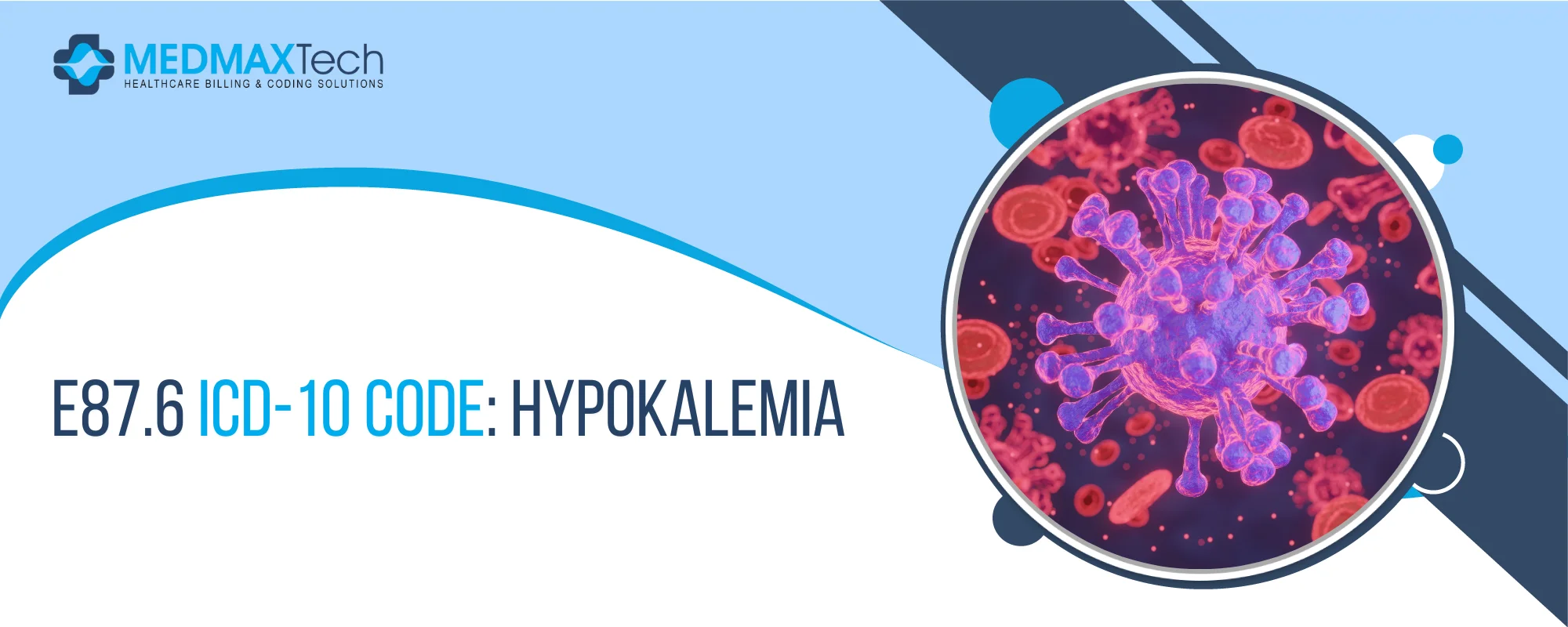
The E87.6 ICD-10 Code is used to identify hypokalemia, a medical condition that occurs when potassium levels in the blood become lower than normal. Potassium is an important mineral that helps the body perform many essential functions, including muscle movement, nerve signaling, and maintaining a healthy heartbeat. Normal potassium levels usually range between 3.5 and 5.0 mEq/L. When these levels fall below the normal range, patients may develop symptoms that affect their overall health and daily activities.
Hypokalemia can happen for several reasons. Common causes include excessive potassium loss through urine or gastrointestinal tract, poor dietary intake, certain medications, or underlying medical conditions. It is important for healthcare providers to identify and treat this condition promptly because untreated hypokalemia can lead to serious complications such as abnormal heart rhythms, severe muscle weakness, and even paralysis.
Services Covered Under E87.6 ICD-10 Code
The E87.6 ICD-10 Code supports a range of healthcare services related to the diagnosis, monitoring, and treatment of hypokalemia. The table below highlights common services that may be billed under this code.
| Service | Description | Typical Use |
|---|---|---|
| Laboratory Testing | Blood tests used to measure potassium levels. | Essential for confirming a diagnosis of hypokalemia. |
| Electrocardiogram (ECG) | A test to monitor heart activity and identify arrhythmias. | Used when patients show signs of heart-related complications. |
| Medication Management | Prescribing potassium supplements or adjusting medications. | Helps restore and maintain healthy potassium levels. |
| Patient Education | Educating patients about diet, medications, and prevention strategies. | Supports long-term management and reduces recurrence risk. |
Who Can Use the E87.6 ICD-10 Code?
Several healthcare professionals can use the E87.6 ICD-10 Code when diagnosing and treating patients with hypokalemia. These providers include:
- Primary Care Physicians:
They often evaluate patients who present with symptoms such as fatigue, weakness, or muscle cramps related to low potassium levels. - Specialists:
Healthcare providers such as nephrologists and endocrinologists commonly use this code when treating electrolyte imbalances associated with kidney disease or hormonal disorders. - Emergency Department Staff:
Emergency physicians and nurses frequently encounter patients with severe hypokalemia and use this code to document and manage their care appropriately. - Nurse Practitioners and Physician Assistants:
These professionals can also apply the code while assessing, diagnosing, and treating hypokalemia in clinics, hospitals, and other healthcare settings.
How to Use E87.6 ICD-10 Code
Using the E87.6 ICD-10 Code correctly requires complete and accurate documentation. The following best practices can help ensure proper coding and reimbursement:
- Document Clinical Symptoms:
Record all symptoms reported by the patient, such as muscle weakness, fatigue, cramping, or irregular heartbeat. For example, if a patient complains of persistent muscle weakness, it should be clearly documented in the medical record. - Include Laboratory Results:
Always document potassium test results that support the diagnosis. For instance, a potassium level of 2.9 mEq/L provides clear evidence of hypokalemia and should be included in the patient’s chart. - Record Treatment Plans:
Carefully document all treatments provided. If potassium supplements or potassium chloride are prescribed, the dosage and treatment plan should be recorded in the medical documentation. - Monitor and Document Follow-Up Care:
Follow-up visits are important for evaluating treatment effectiveness. If a patient’s potassium levels improve after treatment, those results should be documented to demonstrate ongoing care and progress.
Benefits of E87.6 ICD-10 Code
Using the E87.6 ICD-10 Code provides several advantages for both healthcare providers and patients. The table below summarizes these benefits.
| Benefit | Description |
|---|---|
| Accurate Diagnosis | Helps identify hypokalemia correctly and supports appropriate treatment decisions. |
| Improved Patient Outcomes | Timely diagnosis and treatment reduce the risk of serious complications. |
| Efficient Billing | Proper coding helps speed up claims processing and reduces the likelihood of denials. |
| Enhanced Research Data | Accurate reporting contributes to better data on hypokalemia trends and treatment outcomes. |
Common Mistakes to Avoid with E87.6 ICD-10 Code
Coding errors can result in claim denials, audits, delayed reimbursements, and compliance issues. Healthcare providers should avoid the following common mistakes:
- Incorrect Documentation:
Failure to record symptoms, laboratory findings, or treatment details can lead to coding problems. For example, omitting potassium test results may make it difficult to justify the diagnosis. - Using the Wrong Diagnosis Code:
Confusing hypokalemia with other electrolyte disorders can cause billing errors. For example, using a code for hyperkalemia instead of hypokalemia would result in inaccurate documentation. - Missing Follow-Up Information:
Not documenting follow-up appointments or repeat laboratory tests can affect continuity of care and reimbursement. Providers should always record patient progress and treatment outcomes. - Neglecting Patient Education Records:
Patient education plays an important role in managing hypokalemia. If healthcare professionals provide dietary guidance or discuss potassium-rich foods, those educational efforts should be documented appropriately.
E87.6 ICD-10 Code vs Other Codes
Understanding how the E87.6 ICD-10 Code compares with related diagnosis codes helps ensure accurate coding and documentation.
| Code | Description | Comparison |
|---|---|---|
| E87.6 | Hypokalemia | Used for low potassium levels. |
| E87.7 | Hyperkalemia | Used for high potassium levels, which is the opposite condition. |
| E87.8 | Other Specified Electrolyte Disturbances | Used for other types of electrolyte imbalances |
Conclusion
The E87.6 ICD-10 Code is an important diagnostic code used to identify and manage hypokalemia. A clear understanding of its application helps healthcare providers diagnose patients accurately and deliver appropriate treatment. Proper documentation of symptoms, laboratory findings, treatment plans, and follow-up care is essential for supporting medical necessity and ensuring successful reimbursement. By avoiding common coding mistakes and following best practices, healthcare professionals can improve patient outcomes, maintain compliance, and streamline the medical billing process.



Jessica Collins
Jessica Collins is a Medical Coding Expert with 9+ years of experience in ICD-10, CPT coding, clinical documentation, and revenue cycle management. She shares practical insights to improve coding accuracy, billing efficiency, and healthcare compliance.