






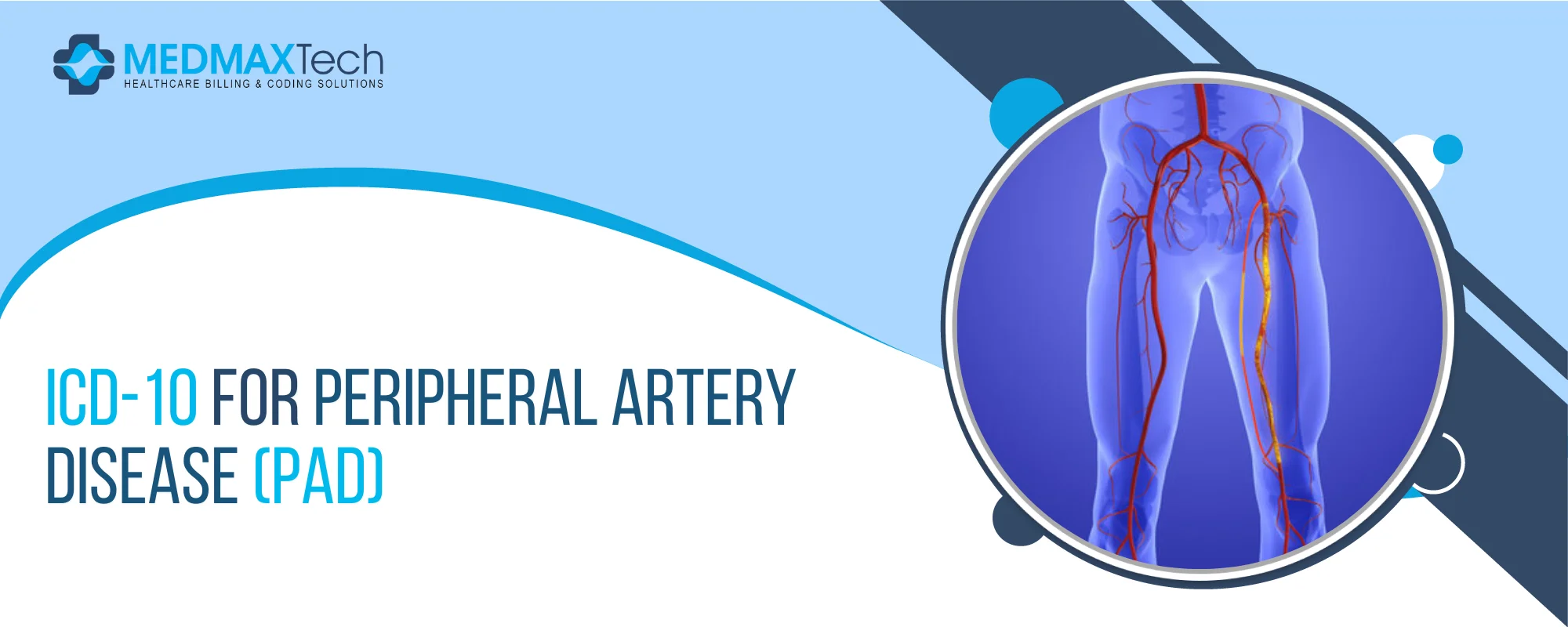
How to Code for Peripheral Artery Disease (PAD)
Peripheral artery disease (PAD) is a condition that affects the blood vessels outside the heart and brain. It is also called peripheral arterial disease or peripheral vascular disease. This condition causes the blood vessels to become narrow, reducing blood flow to the kidneys, stomach, and most commonly the arms and legs. Accurate documentation is important to support medical necessity and ensure the correct code selection for billing. Working with a reliable cardiology medical billing company can help healthcare providers submit accurate claims on time and receive proper reimbursement.
PAD is mainly caused by a buildup of fatty, cholesterol-rich deposits, known as plaques, inside the artery walls. This process is called atherosclerosis and reduces the amount of blood flowing through the arteries. Other possible causes include injuries to the arms or legs and unusual muscle or ligament anatomy. Several factors increase the risk of developing PAD, including smoking, obesity, high blood pressure, diabetes, high cholesterol, blood vessel inflammation, a family history of heart disease, high levels of C-reactive protein or homocysteine, and exposure to radiation.
According to reports, nearly half of the people with PAD are unaware they have the condition. This is because many individuals have only mild symptoms or no symptoms at all. One common sign is muscle pain or cramping in the legs or arms that begins during physical activity and goes away with rest. The pain may be mild or severe and is most often felt in the calf muscles. Leg pain can make it difficult to walk, exercise, or even sleep comfortably. Other symptoms of PAD include:
- Leg numbness or weakness
- Sores on the toes, feet, or legs that do not heal
- Slow growth of the toenails
- Changes in the color of the skin on the legs
- Painful cramping in one or both hips, thighs, or calf muscles after certain activities
- Weak or no pulse in the legs or feet
- Hair loss or slower hair growth on the legs
- Erectile dysfunction
If PAD is not treated, it can lead to serious health complications. Early diagnosis and timely treatment can improve quality of life and lower the risk of heart attack, stroke, gangrene, and limb amputation.
ICD-10 Codes for Peripheral Artery Disease (PAD)
| ICD-10 Codes | Desciptions |
|---|
| I70.0 | Atherosclerosis of aorta |
|---|
| I70.1 | Atherosclerosis of renal artery |
|---|
| I70.2 | Atherosclerosis of native arteries of the extremities |
|---|---|
| I70.20 | Unspecified atherosclerosis of native arteries of extremities |
| I70.21 | Atherosclerosis of native arteries of extremities with intermittent claudication |
| I70.23 | Atherosclerosis of native arteries of right leg with ulceration |
| I70.24 | Atherosclerosis of native arteries of left leg with ulceration |
| I70.26 | Atherosclerosis of native arteries of extremities with gangrene |
| I70.29 | Other atherosclerosis of native arteries of extremities |
| I73 | Other peripheral vascular diseases |
|---|
| I73.0 | Raynaud’s syndrome |
|---|---|
| I73.00 | Raynaud’s syndrome without gangren |
| I73.01 | Raynaud’s syndrome with gangrene |
| I73.1 | Thromboangiitis obliterans (Buerger’s disease) |
|---|
| I73.8 | Other specified peripheral vascular diseases |
|---|---|
| I73.81 | Erythromelalgia |
| I73.89 | Other specified peripheral vascular diseases |
| I73.9 | Peripheral vascular disease, unspecified |
|---|
How is PAD Diagnosed and Treated?
Diagnosing PAD starts with a physical examination, a review of the patient’s symptoms, and a detailed medical history. Doctors may recommend several diagnostic tests, including the Ankle-brachial index (ABI), ultrasound of the legs or feet, angiography, computed tomographic angiography (CT), and magnetic resonance angiography (MRA). Blood tests are also commonly performed to check for conditions linked to PAD, such as high cholesterol, high triglycerides, and diabetes.
Treatment for peripheral artery disease usually includes a combination of medications and healthy lifestyle changes. Eating a balanced diet, exercising regularly, and quitting smoking can help reduce symptoms, especially during the early stages of the disease. Medications may include antihypertensive drugs to control blood pressure and statins to lower cholesterol. Patients with intermittent claudication may also be prescribed cilostazol or pentoxifylline. In severe cases, surgical procedures such as bypass grafting, cryoplasty, and percutaneous or laser atherectomy may be needed to restore blood flow.
Because peripheral artery disease (PAD) increases the risk of heart attack and stroke, it is important to diagnose the condition early and identify any related risk factors. Early treatment, healthy lifestyle habits, and appropriate medications can help manage PAD effectively and improve long-term health outcomes.
Healthcare providers should be familiar with the correct ICD-10 codes used to report peripheral artery disease (PAD). Accurate coding and documentation help support proper reimbursement and reduce claim denials. Partnering with a trusted provider of cardiology medical billing services can help physicians submit clean, accurate claims and optimize reimbursement.




Jessica Collins
Jessica Collins is a Medical Coding Expert with 9+ years of experience in ICD-10, CPT coding, clinical documentation, and revenue cycle management. She shares practical insights to improve coding accuracy, billing efficiency, and healthcare compliance.